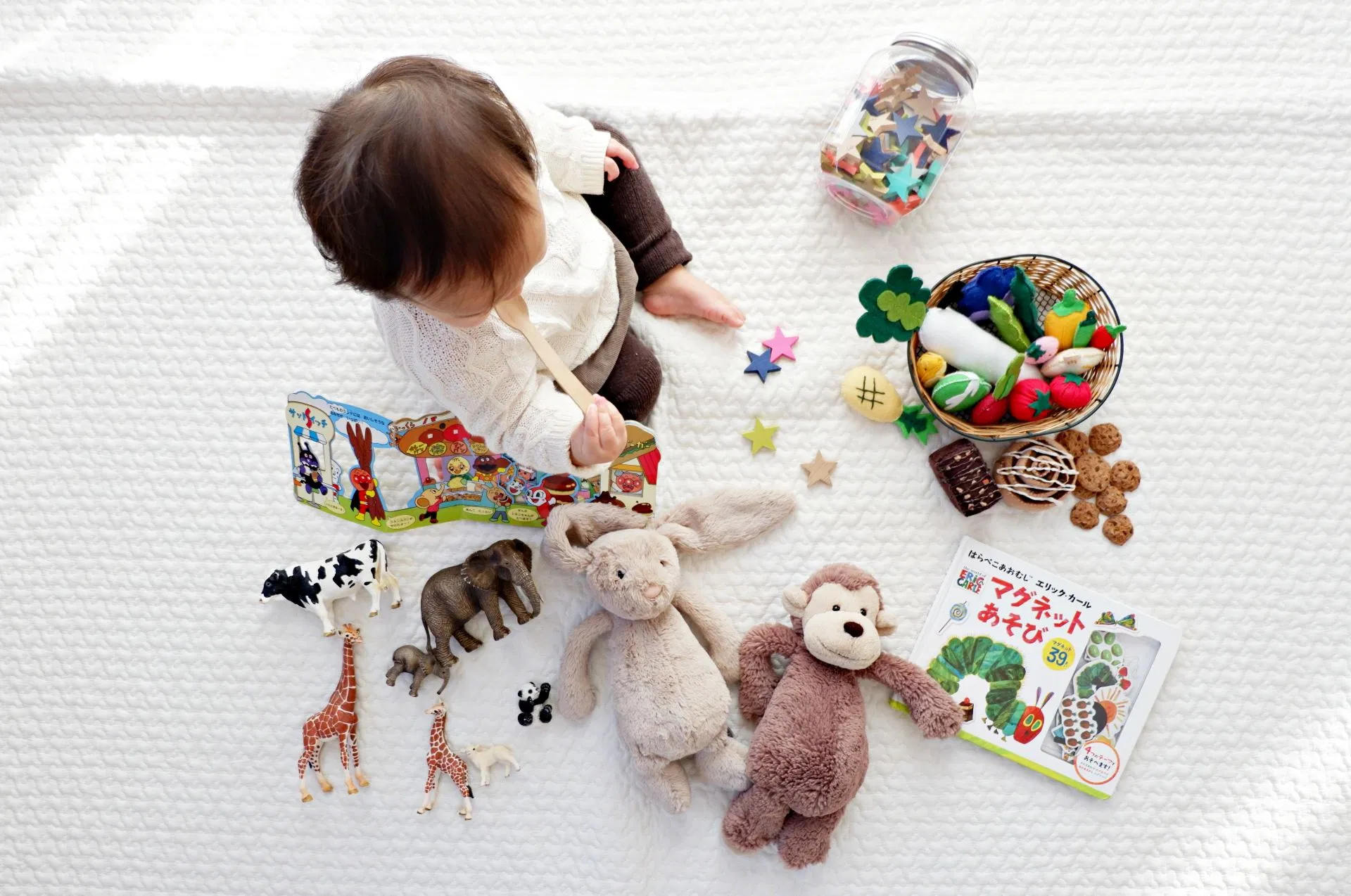
Learning through play. Growing with confidence. Practical
childcare for busy Leytonstone families.
What is toddler play-based
learning?
Toddler play-based learning means children learn through active
experiences instead of sitting for long periods completing formal
tasks.
At Excel Kids Day Nursery in Leytonstone, children aged 2–3 years
learn through:
- Role-play
- Dressing up
- Sensory activities
- Creative play
- Music and movement
- Stories and conversations
- Building, sorting and exploring
- Outdoor play
- Small-group activities with familiar adults
Hi , I am writing this in simple terms: toddlers learn best when they
are involved, interested and allowed to try things for themselves.
Flashcards can introduce a word, colour or picture. However, they do
not usually give a toddler the chance to negotiate, share, solve a
problem or express an emotion. These skills are important parts of early
years education in London E11.
Why flashcards have limits
Flashcards are not automatically bad. A short, relaxed game with
pictures or sounds may support early vocabulary or recognition.
The problem is when flashcards replace active learning.
Flashcard activities are usually:
- Adult-led
- Short in movement
- Focused on one correct answer
- Mainly based on memory
- Limited in social interaction
A toddler may recognise a picture of a cup on a card. In play, the
same toddler can pretend to run a café, offer a cup to another child,
ask what they would like, count cups and respond when the game
changes.
That one activity can support:
- Language
- Turn-taking
- Imagination
- Confidence
- Social communication
- Early mathematics
- Emotional understanding
- Problem-solving
Research from the Institute
of Education Sciences explains that play-based learning supports
social and emotional development, communication, creativity and early
academic skills. It also notes that brief direct teaching can be useful
when balanced with a play-based environment.
Role-play builds social
development
Role-play is a main feature of our Toddler Room.
Children may pretend to be:
- Shopkeepers
- Doctors
- Parents
- Builders
- Chefs
- Bus drivers
- Teachers
- Firefighters
The activity does not need to be complicated. A few hats, bags, toy
food, dolls or household objects can create a full play situation.
During role-play, toddlers practise social skills in real time. They
may need to:
- Choose a role.
- Explain what they are doing.
- Listen to another child.
- Wait for a prop.
- Share space.
- Change the game when someone has a different idea.
- Ask for help.
- Respond to a feeling.
These are not skills that can be fully practised with a
flashcard.
A child may say, “You be the baby,” or “My turn now.” They may also
decide that the doctor needs a bag or that the shop needs more food.
This is early communication and cooperation in a natural format.
Dressing
up supports confidence and emotional understanding
Dressing up helps children explore different roles safely.
A toddler who is quiet during group time may speak more when
pretending to be a shopkeeper. A child who finds sharing difficult may
begin to understand taking turns through a pretend café game. Another
child may use a doll to act out feelings they cannot yet explain
directly.
This can support:
- Confidence
- Self-expression
- Empathy
- Emotional vocabulary
- Independence
- Understanding of other people’s perspectives
There is no requirement for a child to perform or speak in front of
everyone. Staff can join the play, model language and give the child
time to respond.
At Excel Kids Day Nursery, adults support play without taking over
every decision. This is guided play. Staff may introduce a new word, ask
a question or add a resource, while the toddler remains involved in the
activity.

Sensory
and creative play provide more ways to learn
Some toddlers learn best through touch and movement.
Sensory play may include:
- Water
- Sand
- Rice
- Natural materials
- Dough
- Paint
- Textured fabrics
- Safe household objects
- Seasonal items
Children can explore wet and dry, heavy and light, rough and smooth,
full and empty. These simple experiences build vocabulary and early
understanding of the world.
Creative play gives toddlers permission to experiment. There may not
be one correct finished picture. A child can mix colours, make marks,
press, roll, pour or build.
This supports:
- Fine motor control
- Hand strength
- Concentration
- Choice-making
- Imagination
- Early language
- Tolerance of new experiences
A flashcard can show a colour. Paint allows a toddler to see, feel
and mix the colour while talking to another person about what is
happening.
Play supports emotional
development
Toddlers are still learning how to manage strong feelings. They can
become frustrated quickly. They may struggle with waiting, losing a toy
or changing activity.
Play gives children safe opportunities to practise these
situations.
A child may:
- Wait for a turn with a toy
- Recover when a tower falls
- Ask for an adult’s support
- Try a different solution
- Tell another child to stop
- Accept a change in the game
- Calm down and return to play
The adult’s role is important. Staff model calm language such as:
- “You wanted the red cup.”
- “It is Sam’s turn. Your turn is next.”
- “The tower fell down. Shall we build it again?”
- “You look cross. I am here to help.”
This is social and emotional learning in a practical form. It happens
during ordinary activities, not as a separate lesson.
How guided
play also supports early academic skills
Play-based learning is not a lack of teaching. It is a different way
of teaching.
During a pretend shop activity, staff can introduce:
- Counting
- Colours
- Shapes
- New words
- Simple comparisons
- Early writing
- Listening and speaking
During block play, staff may talk about:
- Tall and short
- Big and small
- Under and on top
- Balance
- Position
- Number of blocks
During a story, children can discuss characters, feelings, actions
and what might happen next.
The research
summary from the Institute of Education Sciences reports that guided
play can support academic learning while also keeping children active
and involved. For toddlers, this approach is more suitable than
expecting long periods of formal instruction.
Our rooms and age groups
Excel Kids Day Nursery provides a home-from-home childcare
environment for children from 3 months to 5 years.
Baby Room: 3 months to 2
years
The Baby Room focuses on sensory and interactive play. Activities are
planned to support secure relationships, early movement, communication
and curiosity.
Toddler Room: 2 to 3 years
The Toddler Room focuses on role-play, dressing up, sensory
activities, creative learning and social and emotional development.
This is the main room for toddler play-based learning at Excel Kids
Day Nursery.
Preschool Room: 3 to 4 years
The Preschool Room provides a dedicated learning environment that
supports school readiness. Children build confidence, self-awareness,
communication and independence before starting primary school.
Parent
updates through the Online Children system
Parents can use our Online Children system to follow their child’s
day in real time.
Updates can help parents stay informed about:
- Activities
- Meals
- Sleep
- Nappies and care routines
- Developmental observations
- Daily experiences
This provides practical information and peace of mind while parents
are at work or managing other responsibilities.
Food is included in nursery fees. The nursery provides fresh food
prepared on the premises, with arrangements discussed according to the
child’s needs.
Excel Kids Day Nursery is rated Good by Ofsted. You
can read more about our approach on the About Us
page.
Quick Fee Reference
The published fee information lists:
- Nursery fees from £11.50–£15.50 per hour
- Rates based on funding eligibility and booking arrangements
- A 10% sibling discount
- A 10% fifth-day discount
- A 10% NHS and Social Care staff discount
- A £25 non-refundable registration fee
- A one-week refundable deposit
Please contact the nursery for an exact quote based on your child’s
age, funding eligibility, required days and start date. Fees and funded
places should be confirmed directly before booking.
Opening hours and contact
details
Day Nursery
- Monday to Friday: 8:00am–6:00pm
- Early sessions: 7:00am–8:00am by arrangement
- Late sessions: 6:00pm–7:00pm by arrangement
- Closed Saturdays and Sundays
- Closed on Christmas Day and bank holidays
Contact Centre
The secure Contact Centre supports separated families and operates at
weekends:
- Saturday and Sunday
- 10:00am–2:00pm
Address
Excel Kids Day Nursery & Contact Centre
62 Hainault Road
Leytonstone
London
E11 1EQ
Telephone
- Nursery line: 0208 556 1732
- Information line: +44 1218
231636
You can also use our contact page
to enquire about a place or arrange a visit.
The practical conclusion
Flashcards may help with a small number of recognition tasks. They do
not replace the wider benefits of play.
For toddlers, play-based learning provides regular practice in
communication, cooperation, confidence, emotional regulation and
problem-solving. Role-play, dressing up, sensory exploration and
creative activities give children meaningful reasons to talk, move,
think and work with others.
That is why our Toddler Room uses play as a central part of the
day.
Less drilling. More doing. A home-from-home start in
Leytonstone.
Leave a Reply